
Project Manager update tile 7 800x500

Project Manager Update: July

Project Manager, James Mellish, shares next steps following funding announcement

The Abbey of St Edmund, Reborn project has reached an exciting milestone as it moves into its next phase of delivery. Following the successful £7.137m grant from the National Lottery Heritage Fund, contributing to a total project of £9.83m, the project team is now focused on putting the foundations in place for the next stage of work, which will culminate in construction beginning in spring 2027.

The immediate priority is to finalise and agree the contract terms with the appointed project team. Once these are in place, work will progress into the next technical design stages, where detailed plans will be developed to ensure the project is ready for construction. This phase will involve close collaboration between the design team, specialist consultants, contractors, and key stakeholders to refine the proposals and prepare for delivery on site.

Alongside the capital works, preparations are also underway to strengthen the team that will deliver the project’s ambitious programme of public engagement. New staff appointments will support the delivery of a coordinated Activity Plan featuring 47 heritage engagement activities. These activities have been designed to connect a wide range of audiences with the rich history of the Abbey of St Edmund through learning, participation, volunteering, skills development, and community events. The programme will ensure that local communities and visitors alike can engage with the site’s heritage throughout the project and beyond.

The coming months will focus on maintaining momentum, building partnerships, and ensuring that both the construction programme and Activity Plan are well prepared for implementation. As the project enters this exciting new chapter, there is a real sense of anticipation across the team.

I’m delighted to be moving into this next phase look forward to working closely with partners, stakeholders, and the wider community to bring the vision for the Abbey of St Edmund, Reborn to life.

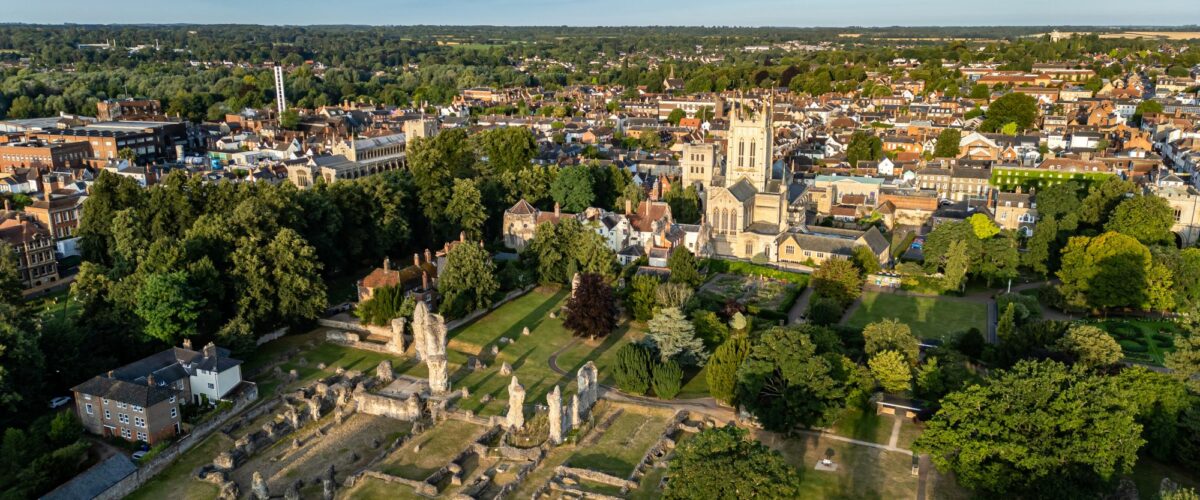
Cathedral and Abbey Tom Soper Photography smaller 1200x500

Abbey of St Edmund, Reborn Awarded Delivery Grant by The National Lottery Heritage Fund

Abbey of St Edmund, Reborn Awarded Delivery Grant by
The National Lottery Heritage Fund

Cathedral and Abbey Tom Soper Photography smaller

Today, St Edmundsbury Cathedral, West Suffolk Council and English Heritage, project partners of The Abbey of St Edmund, Reborn are announcing a £7.137m grant from The National Lottery Heritage Fund, contributing to a total project of £9.83m.

The Abbey of St Edmund was once one of England’s greatest monasteries. It is named after Edmund, a Saxon king of East Anglia who was killed by Danish raiders in 869. Within a generation, Edmund was being celebrated as a martyr and a saint. Edmund’s shrine made the Abbey one of England’s most popular destinations for pilgrims.

Made possible thanks to National Lottery players, the Abbey of St Edmund, Reborn project reunifies the fragmented 60-acre Abbey of St Edmund site, creating a coherent, accessible and sustainable ‘place making’ cultural destination. Elements of the project include:


  • Medieval Abbey ruins will be conserved securing their long-term sustainable future, whilst a Visitor Centre and West Cloister will provide orientation, interpretation and flexible community space.
  • A 1.4km accessible circular route will support mobility, sensory and cognitive needs, physically and visually reconnecting the Abbey ruins, Cathedral and historic town, strengthening understanding of the site’s national significance.
  • An activity plan will deliver 47 coordinated community activities, 200 volunteering and 21 training opportunities across 19 roles, two apprenticeships and five funded staff posts, in collaboration with 29 local organisations spanning heritage, biodiversity, archaeology and the creative sectors.
  • Biodiversity enhancements along the rare chalk stream Rivers Lark and Linnet will enrich the historic landscape.
  • A successor CIO will ensure strong resilient governance, securing a free to enter destination with lasting cultural, educational, environmental and social impact.

The Very Reverend Joe Hawes, Dean of St Edmundsbury said, “We are thrilled to have received this support from The National Lottery Heritage Fund. So much hard work has gone into the project to get to this stage and thanks to National Lottery players, we can now realise the exciting plans we have for the Abbey of St Edmund, Reborn with building works commencing from Spring 2027. This will be a landmark project for Suffolk.”

Eilish McGuinness, Chief Executive of The National Lottery Heritage Fund, said, “Thanks to National Lottery players, we are delighted to support the Abbey of St Edmund, Reborn partnership project, which aims to reunify this historic site and secure its future as a cultural destination.

“Heritage has a powerful role to play in bringing communities together to celebrate and preserve the past, while also driving regeneration, supporting nature recovery and creating opportunities to be part of the story. This project will strengthen people’s connection with the Abbey, the Cathedral, the town and the surrounding landscape, creating a more accessible and welcoming place that everyone can enjoy, shape and take pride in for generations to come.”

Kate Logan, English Heritage’s Operations, Experience and Engagement Director, said, “This is quite simply, brilliant news and we’d like to thank the Heritage Fund for this game-changing grant for Bury St Edmunds.

“This major project will better knit together the cathedral, the abbey and the town. It will also see the abbey ruins getting the tender loving care they deserve through an in-depth conservation programme. Finally, it will involve the community in these much loved, local landmarks, breathing new life into them.

“The success of this bid demonstrates the power of partnership, bringing together the Cathedral, West Suffolk Council, English Heritage and local communities behind a shared ambition to reconnect, conserve and celebrate one of England’s most important historic places.”

Cllr Ian Shipp, Cabinet Member for Leisure and Culture at West Suffolk Council, said, “This is great news for everyone who loves this wonderful part of West Suffolk and its place in our history, heritage and culture.

“This funding announcement comes at a time when we are exploring the cult and mythology of Saint Edmund at Moyse’s Hall Museum and the story that shaped our town and identity a millennia ago.

“Now, thanks to the fantastic support of the Heritage Fund and the work led by the partners, the Abbey will be reborn, helping more people better understand the former Abbey site, preserving the ruins for years to come, and making other improvements to aid the enjoyment of residents and visitors alike.”

Led by a partnership of St Edmundsbury Cathedral, English Heritage and West Suffolk Council (the project partners) have come together as members of The Abbey of St Edmund Heritage Partnership (comprising 29 organisations and individuals who care about the Abbey) to develop and deliver this project.

Project Manager update tile 6 800x500

Project Manager Update: June

Project Manager, James Mellish, shares more about building a new generation of guides.


The Abbey of St Edmunds Reborn Project is helping to forge stronger connections between St Edmundsbury Cathedral and the historic town of Bury St Edmunds, with a pioneering guide training programme creating a new generation of ambassadors for both destinations, in conjunction with Bury St Edmunds Tour Guides.

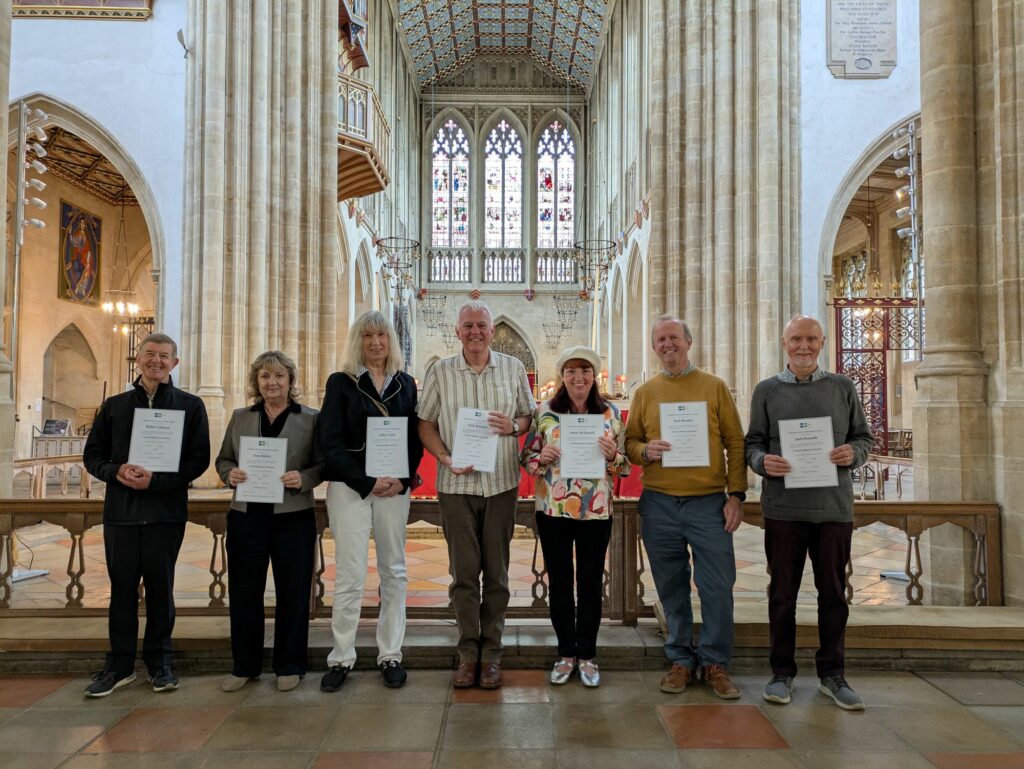
St Edmundsbury Cathedral recently celebrated the accreditation of 11 new White Badge tour guides, formally recognised at a presentation ceremony on 11 June 2026. Approved by the Institute of Tourist Guiding (ITG), the White Badge confirms that guides have the knowledge and skills to confidently lead tours within the Cathedral.

White badge guides small

The new White Badge Guides with their certificates.

The accreditation marks the culmination of an intensive training programme that began in January 2026. Participants undertook lectures, extensive independent research and rigorous examinations, including answering 100 questions in just 60 minutes and delivering information at randomly selected locations.


Importantly, this is the first programme of its kind in the country to link White and Green Badge training. Developed through a partnership between St Edmundsbury Cathedral and Bury St Edmunds Tour Guides, the initiative reflects the collaborative spirit at the heart of the Abbey of St Edmunds Reborn Project. The course was led by Mike Dean, Adrian Tindall and Lynn Whitehead of Bury St Edmunds Tour Guides, alongside the Cathedral’s Librarian, who provided specialist expertise on the Cathedral’s rich history and heritage.


The newly accredited guides are already progressing towards Green Badge status, which will enable them to lead tours of the Abbey ruins and the wider town. By creating guides who can interpret both the Cathedral and the wider Abbey precinct, visitors will enjoy a more joined-up experience of Bury St Edmunds’ remarkable heritage.


With the town’s guides handling more than 3,500 bookings annually and both the Cathedral and town attracting national and international recognition, this innovative partnership demonstrates how working together can enrich visitor experiences and ensure the stories of St Edmund’s Abbey continue to inspire future generations.

Project Manager update tile 5 800x500

Project Manager Update: May

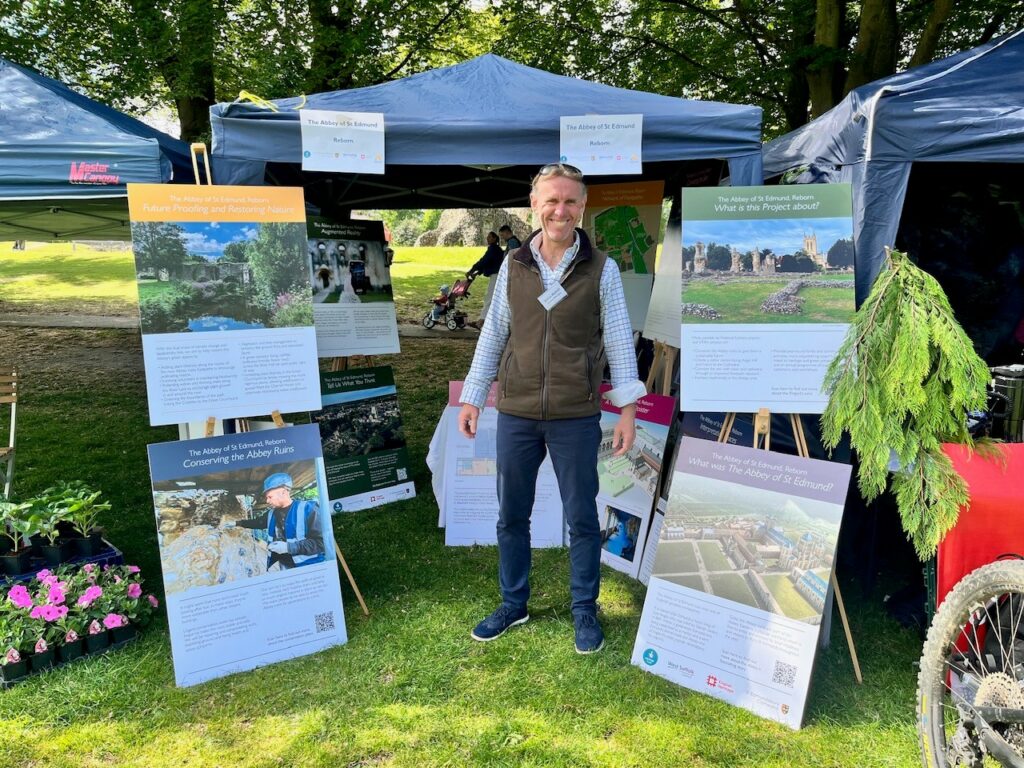
Project Manager, James Mellish, talks and The Bury Wildlife Festival 2026

The historic heart of the Abbey Gardens came alive with nature, learning, and community spirit during the hugely successful Bury Wildlife Festival 2026, held on Friday 15 and Saturday 16 May with the Bury Water Meadows Group.

Biodiversity day 1

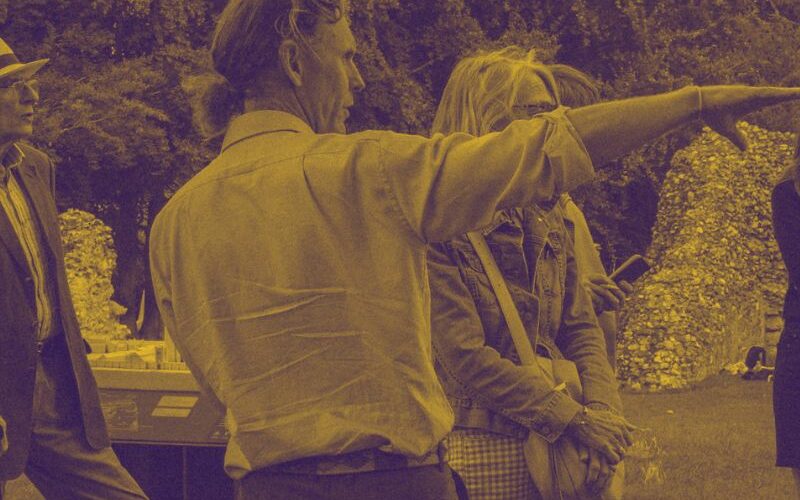
Project Manager James Mellish attending the Bury Wildlife Festival

The festival celebrated the rich biodiversity of the Abbey area while highlighting the urgent importance of climate action and wildlife conservation. Families, students, conservationists, and visitors of all ages gathered to explore how nature can thrive in the centre of our town.


A wide range of inspiring stall holders shared ideas, projects, and practical advice, covering topics from cleaning up local habitats and protecting Suffolk wildlife to creating natural spaces for wildlife at home. Visitors discovered fascinating talks and displays including Prickly Friends in Your Garden at Night, Bury’s Swifts, The Future of Gardening, Rejuvenating Biodiversity in the Abbey Area, and Strings of Beads: The Rivers Lark and Linnet through Bury St Edmunds. The Journey from Trout Lakes to Nature Reserve also showcased the remarkable transformation of local landscapes.


Guided walks proved especially popular throughout the weekend, offering visitors the chance to experience nature first-hand. Activities included Bird Walks, Tree Walks, Incredible Insects, Plant Walks, and the thought-provoking walk exploring how Bury’s Lark Valley has changed over the centuries. Younger visitors enthusiastically joined the family-friendly bug safaris, discovering the miniature wildlife hidden within the Abbey grounds.


The festival continued beyond the weekend with a multi-sensory, interactive exhibition in the South Cloister of St Edmundsbury Cathedral, showcasing the creative response to our natural environment of the 165 primary school children who attended the Festival on Friday 15 May.


Together, the festival demonstrates how heritage, education, and community action can help shape a greener and more sustainable future for Bury St Edmunds.

Abbey and Cathedral drone Alex Uglow 1000x500

Planning Permissions Granted for Abbey of St Edmund, Reborn

A major milestone for the Abbey of St Edmund, Reborn project has been reached with the successful approval of all planning applications for the project.

This marks a significant step forward in realising project partners, St Edmundsbury Cathedral, West Suffolk Council and English Heritage’s shared vision to conserve, enhance, and re-present this extraordinary historic site for future generations.

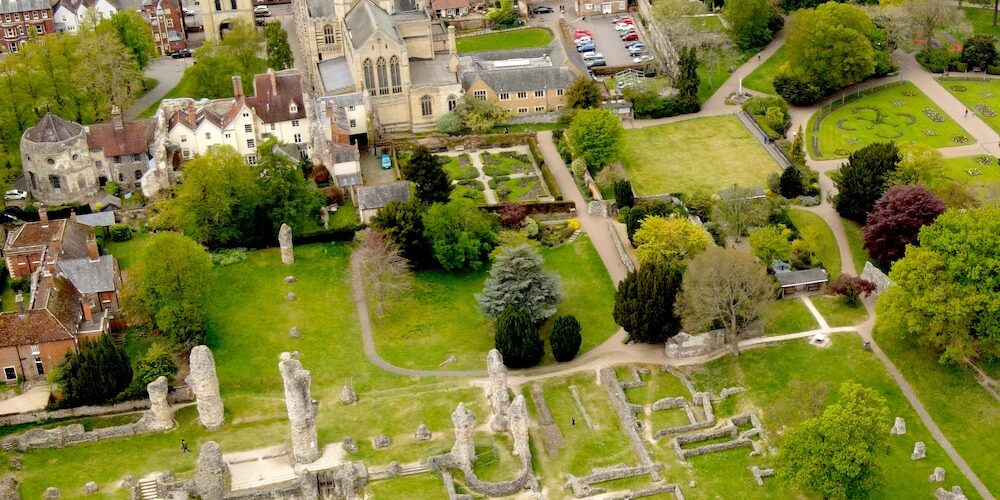
The Abbey of St Edmund, Reborn project reunifies the fragmented 60-acre Abbey of St Edmund site, creating a coherent, accessible and sustainable ‘place making’ cultural destination. The project will:

  • Make the Abbey site more inclusive – physically, intellectually and emotionally
  • Conserve the Abbey ruins and give them a sustainable future
  • Provide a 1.4km circular route which re-connects the Abbey to the Cathedral and historic town
  • Build a new West Cloister which will host community displays and creative exhibitions
  • Safeguard a number of listed buildings facing Angel Hill, giving them a new life as a heritage and welcome centre with visitor facilities including an interpretation space, community room, washrooms, and a shop
  • Establish biodiversity and environmental stewardship programme throughout the Abbey area
  • Deliver 47 coordinated community activities, 200 volunteering, 21 training opportunities, two apprenticeships and five funded staff posts, in collaboration with 29 local organisations spanning heritage, biodiversity, archaeology and the creative sectors.

In 2024, the Abbey of St Edmund, Reborn project was granted development funding of £729,553 in order to develop the project plans and inform the Delivery Phase application. A £9.8m Delivery Phase application to The National Lottery Heritage Fund was submitted in February for the Abbey of St Edmund, Reborn Project and a funding decision will be made later in the year.

Over the past 20 months, a professional design team has worked intensively to develop a comprehensive and carefully considered set of proposals. These include essential conservation repairs to the ruins, the creation of a new Visitor Centre and West Cloister, improved accessible pathways throughout the site, and a series of biodiversity enhancements designed to enrich the landscape.

This work has been delivered in close collaboration with project partners, St Edmundsbury Cathedral, West Suffolk Council, and English Heritage, who have come together as members of The Abbey of St Edmund Heritage Partnership (comprising 29 organisations and individuals who care about the Abbey) to develop and deliver this project.

Throughout the planning process, feedback from statutory consultees, amenity societies, and the wider public has been overwhelmingly positive. This strong support reflects the project’s sensitive and thoughtful approach to preserving the Abbey’s exceptional historic significance while making it more accessible and engaging.

The Very Reverend Joe Hawes, Dean of St Edmundsbury says, “This is a major step forward for the project. We have been working with an incredible team of specialists for around 18 months to bring us to this point, especially conservation architects Purcell and interpretation designers RFA Design. Two final and defining milestones remain. The first is to secure a delivery grant from The National Lottery Heritage Fund, which we hope to achieve later this year. The second is to complete the fundraising – the finishing line is almost within touching distance, but we still need a little bit more support and then we’re there!”

Given the complexity of the site, nine approvals have been secured across multiple areas, including planning permission, listed building consent, Scheduled Monument Consent, and relevant ecclesiastical approvals. Each stage has been undertaken with rigorous attention to detail and in close consultation with the appropriate authorities. In total, the applications were supported by over 140 detailed drawings and 23 specialist reports and surveys, demonstrating both the necessity of the works and the long-term benefits they will deliver.

Project Manager update tile 4 800x500

Project Manager Update: April

Project Manager, James Mellish, talks connecting Suffolk’s Heritage

A major step forward has been reached for the Abbey of St Edmund Reborn project, with a £9.8 million Delivery Phase application now submitted to the National Lottery Heritage Fund.


Meanwhile, a series of talks will take place across Suffolk to spread the word about the project and our aims, specifically in areas outside of Bury St Edmunds which has already seen public consultation and project update talks. These sessions have been organised in partnership with local heritage sites to deliver project information to new audiences. These evening events will be hosted at:


  • The Food Museum in Stowmarket on Tuesday 26 May
  • National Trust Ickworth in Horringer on Wednesday 17 June
  • National Trust Sutton Hoo near Woodbridge on Tuesday 23 June
  • The Hold in Ipswich on Thursday 9 July

These talks aim to build a stronger, county-wide heritage network, encouraging collaboration between sites while encouraging shared marketing, communications and visitor journeys across Suffolk.

Additionally, on Saturday 16 May, the Abbey Gardens will host a special Bury Wildlife Festival ‘Revealing our living landscape’ organised by the Bury Water Meadows Group, celebrating the natural environment at the heart of this project. This event will highlight the ecological significance of the Abbey site and offer opportunities for visitors to engage with nature, conservation and local wildlife.


Looking ahead


Through conservation, storytelling and collaboration, the Abbey of St Edmund Reborn project will reanimate this historic site for new audiences. With 47 planned activities spanning heritage engagement, creative programmes, biodiversity initiatives and volunteering, the project will create lasting opportunities for communities across Suffolk.


Together, the partnership is building a sustainable future for the Abbey, one that secures its place as a centre for heritage, learning and community for generations to come.

Project Manager update tile 3 800x500

Project Manager Update: February/March

Project Manager, James Mellish, talks Delivery Phase Application

A project overview for the application

A £9.8m Delivery Phase application to the National Lottery Heritage Fund has now been submitted for the Abbey of St Edmund Reborn Project – a bold and transformative partnership led by St Edmundsbury Cathedral, West Suffolk Council and English Heritage.

This once-in-a-generation initiative will reunify the 60-acre Abbey site, fragmented since the Dissolution of 1539, re-establishing it as a nationally significant cultural destination.


Building on the momentum of the 2022 Abbey 1000 celebrations, the three-year delivery project positions the Abbey as a powerful place-maker for West Suffolk, driving long-term economic growth and cultural recognition.


Urgent heritage action is required. Conditions surveys confirm increase in structural defects across the ruins due to prolonged exposure, climate change and severe weather. Immediate conservation will stabilise the Abbey ruins bringing them into a sustainable condition for future generations.


A new Visitor Centre will sensitively restore and adapt the 18th-century Anselm Building, and buildings facing the Angel Hill, complemented by a contemporary West Cloister as a connection between Cathedral and Abbey Garden.  An improved 1.4km accessible circular route, including new ramps and a ruin viewing point will ensure an inclusive experience for all.


Environmental ambition underpins the project, targeting an 18.5% biodiversity net gain, supporting chalk stream habitats and working toward Net Zero through renewable energy solutions.


Immersive stories of Edmund’s Town, and 47 coordinated activities, including heritage engagement, biodiversity programmes, creative projects and volunteering placements re-animate the Abbey for diverse audiences.


Together, the partnership will deliver a new sustainable business and governance model creating a unified vision to secure the Abbey’s future as a place of heritage, learning and community.

Project Manager update tile 2 800x500

Project Manager Update: January

Project Manager, James Mellish, talks community engagement:

Connecting the community to the Abbey

The Abbey of St Edmund Reborn Project continues to gather momentum, with an ambitious community engagement activity plan at its heart, designed to connect people of all ages and backgrounds with the Abbey’s remarkable heritage, landscape, and living traditions.

Consultation and Partnerships

Our activity plan has been shaped through consultation with a wide range of local partners, including learning providers, health and wellbeing organisations, and community groups. This collaborative approach ensures that activities are inclusive, meaningful, and responsive to local needs, supporting learning, wellbeing, and a deeper connection to place.

Heritage Engagement Activities

The project will deliver heritage engagement activities, offering varied ways to explore and experience the Abbey. These include guided tours, talks, heritage trails, taster sessions, reminiscence events, student-led projects, and pilgrimages, providing opportunities for discovery, reflection, and shared learning.

Biodiversity and Landscape

Nature is central to the Abbey’s story. The activity plan includes biodiversity-focused activities, such as a biodiversity festival, riverland, wetland and grassland conservation projects, and citizen science initiatives. These activities will support ecological recovery while encouraging people to engage with and care for the Abbey’s green spaces.

Archaeology and Discovery

Two archaeology projects will invite communities to uncover the past. A community project  will engage youth groups to academics , while a second project will improve the Historic Environment Record, strengthening understanding of the Abbey’s archaeological significance.

Creative Engagement

Creativity will flourish through seven arts-based activities, including music, drama, and visual arts inspired by the Abbey and Cathedral. These will range from intimate workshops to large-scale events and temporary exhibitions, bringing heritage to life through contemporary expression.

Building Skills and Capacity

The project will strengthen long-term capacity through investment in people. Alongside two existing posts, Visitor Experience and Learning Manager, we will recruit three new roles in volunteering, community engagement, and events management. There will be 20 training opportunities, 19 volunteer roles, and 190 new volunteer placements, supported by forums, health networks, internships, and apprenticeships.


Together, these activities will ensure the Abbey of St Edmund Reborn Project leaves a lasting legacy for heritage, nature, and community.

Project Manager update tile 1 800x500

Project Manager Update: December

Project Manager, James Mellish, talks planning

Planning milestone reached for the Abbey of St Edmund, Reborn.

We are delighted to announce that multiple planning applications for the Abbey of St Edmund Reborn project have now been submitted – a significant step forward in bringing this ambitious vision to life.

Over the past 16 months, our professional design team has worked intensively to develop detailed proposals for vital ruin repairs, a new Visitor Centre and West Cloister, improved accessible path networks, and site-wide biodiversity enhancements. This work has been carried out in close collaboration with our three Project Partners: St Edmundsbury Cathedral, West Suffolk Council, and English Heritage – as well as the site’s individual landowners: St Edmundsbury Cathedral, West Suffolk Council, and Suffolk County Council.

The response so far has been extremely encouraging. Feedback from statutory consultees, amenity societies, and the public consultation held in September has been overwhelmingly positive, reflecting strong support for the project’s sensitive and thoughtful approach.

Given the Abbey’s exceptional historic importance, the planning process is necessarily complex. Multiple consents are required, including planning permission and listed building consent from the local planning authority, Scheduled Monument Consent from Historic England, and approvals from both the Cathedral Fabric Advisory Committee and the Fabric Advisory Committee.

Separate Scheduled Monument Consent conservation repairs approvals to the ruins are being developed in close consultation with English Historic, alongside England Heritage, the guardians of the site. Additional access improvements within the Great Churchyard also require statutory Faculty approval from the Diocesan Advisory Committee.

Altogether, the applications are supported by more than 140 detailed drawings and 23 specialist reports and surveys, all demonstrating the need for the project and its long-term benefits. This milestone reflects the dedication and collaboration of many partners working together to protect, enhance, and share one of England’s most remarkable historic places. Together, these improvements deliver lasting social, educational, and environmental benefits for Bury St Edmunds, West Suffolk and beyond.

Cathedral and Abbey Tom Soper Photography 10
Project Manager update tile 800x500

Project Manager Update: November

Project Manager, James Mellish, talks public consultation:

The Abbey of St Edmund, Reborn public consultation brought our community together to share in the exciting vision for one of Suffolk’s most treasured heritage projects. The plans include the conservation of the Abbey ruins, the creation of a new visitor welcome centre and west cloister, enhanced interpretation, learning, community participation and greater biodiversity to enrich both the site and visitor experience.

Over 395 people took part in three consultation events – a donor preview, a public consultation at St Edmundsbury Cathedral, and an evening hosted by The Bury Society at The Guildhall. We were delighted to receive 36 thoughtful feedback surveys, both online and in person, with the majority of responses coming from enthusiastic local residents.

IMG 2393

Participants expressed a deep sense of pride and connection to the Abbey. Conservation of the Abbey ruins was unanimously recognised as the project’s most important priority, and the protection of this historic site emerged as the strongest source of excitement and support. Many highlighted the Abbey’s vital role in defining Bury St Edmunds as a town of culture and heritage.

There was also strong endorsement for biodiversity improvements, which respondents saw as contributing to the health and wellbeing of both visitors and the local environment. People were eager to learn more about Edmund’s Abbey – its scale, economy, daily life, and the ruins as they stand today.

The consultation revealed a community deeply invested in ensuring the Abbey’s story continues to inspire future generations, while maintaining a thoughtful balance between the Cathedral, Abbey, and Gardens.

The public consultation supports forthcoming planning applications to the various statutorily consultees (The Cathedrals Fabric Commission for England, The Local Planning Authority and Historic England) in November 2025. The anticipated delivery phase of the project is scheduled from summer 2026 for a three-year period.