
Project Manager Update: January

Project Manager, James Mellish, talks community engagement:
Connecting the community to the Abbey
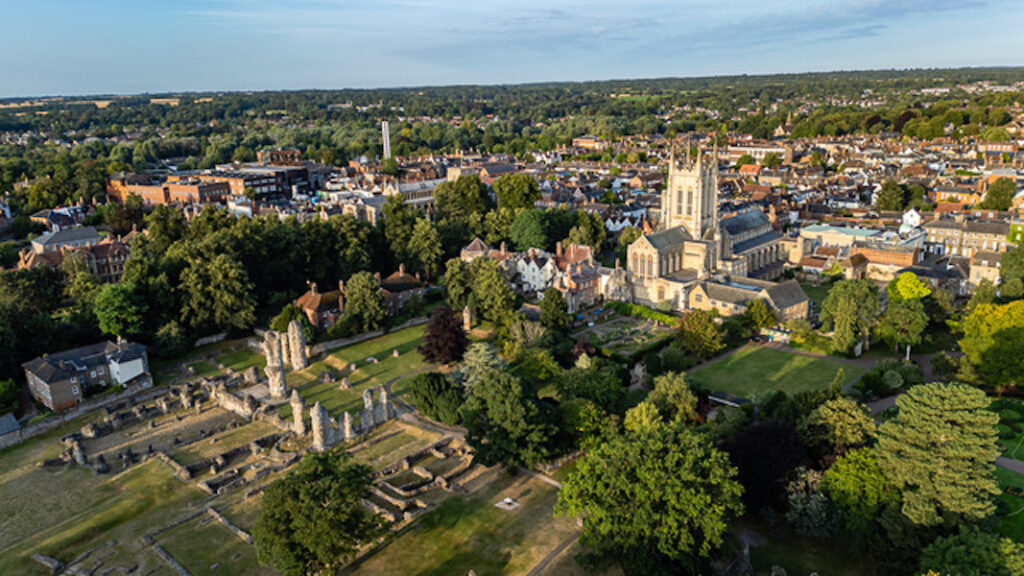
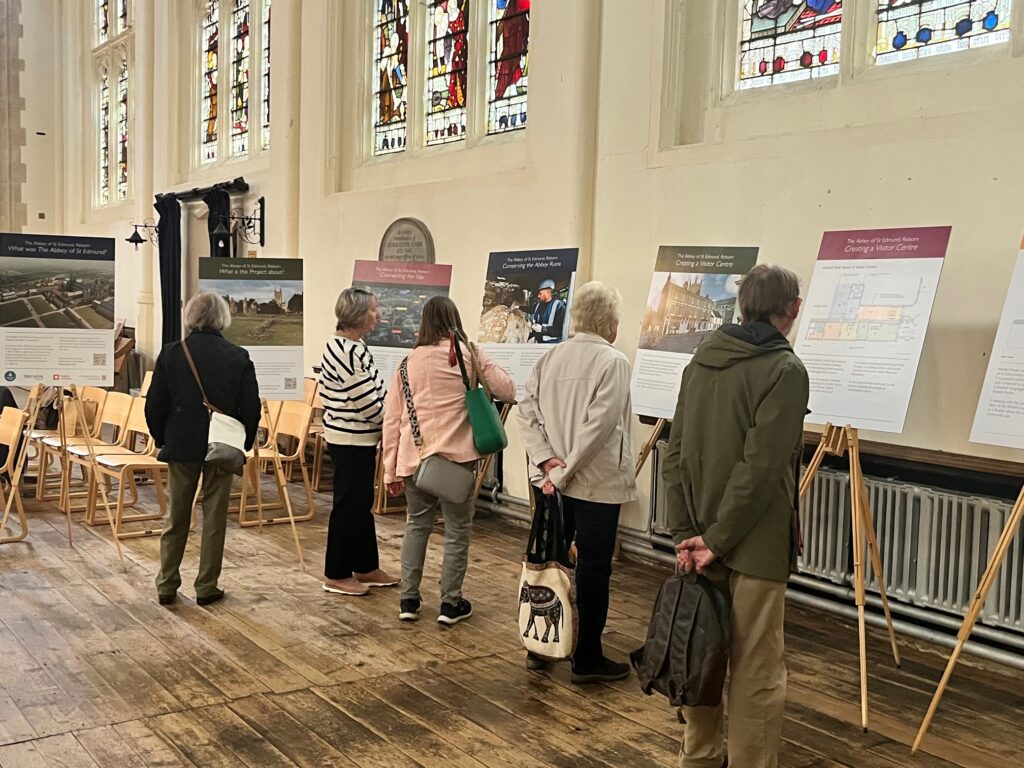
The Abbey of St Edmund Reborn Project continues to gather momentum, with an ambitious community engagement activity plan at its heart, designed to connect people of all ages and backgrounds with the Abbey’s remarkable heritage, landscape, and living traditions.
Consultation and Partnerships
Our activity plan has been shaped through consultation with a wide range of local partners, including learning providers, health and wellbeing organisations, and community groups. This collaborative approach ensures that activities are inclusive, meaningful, and responsive to local needs, supporting learning, wellbeing, and a deeper connection to place.
Heritage Engagement Activities
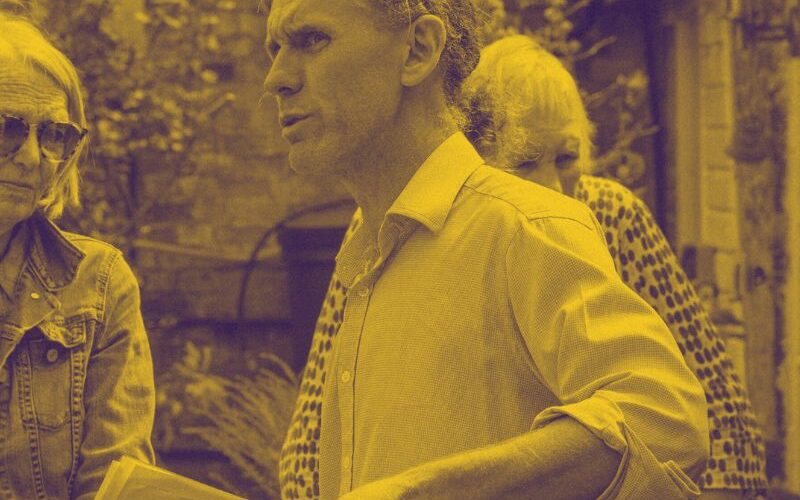
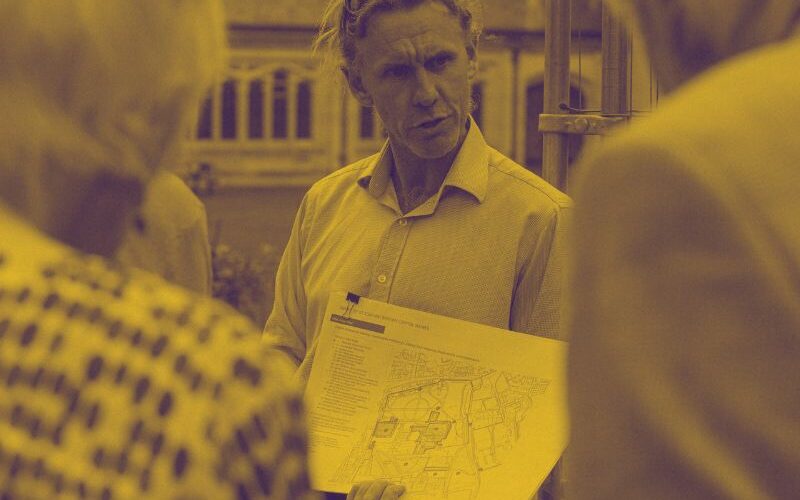
The project will deliver heritage engagement activities, offering varied ways to explore and experience the Abbey. These include guided tours, talks, heritage trails, taster sessions, reminiscence events, student-led projects, and pilgrimages, providing opportunities for discovery, reflection, and shared learning.
Biodiversity and Landscape
Nature is central to the Abbey’s story. The activity plan includes biodiversity-focused activities, such as a biodiversity festival, riverland, wetland and grassland conservation projects, and citizen science initiatives. These activities will support ecological recovery while encouraging people to engage with and care for the Abbey’s green spaces.
Archaeology and Discovery
Two archaeology projects will invite communities to uncover the past. A community project will engage youth groups to academics , while a second project will improve the Historic Environment Record, strengthening understanding of the Abbey’s archaeological significance.
Creative Engagement
Creativity will flourish through seven arts-based activities, including music, drama, and visual arts inspired by the Abbey and Cathedral. These will range from intimate workshops to large-scale events and temporary exhibitions, bringing heritage to life through contemporary expression.
Building Skills and Capacity
The project will strengthen long-term capacity through investment in people. Alongside two existing posts, Visitor Experience and Learning Manager, we will recruit three new roles in volunteering, community engagement, and events management. There will be 20 training opportunities, 19 volunteer roles, and 190 new volunteer placements, supported by forums, health networks, internships, and apprenticeships.
Together, these activities will ensure the Abbey of St Edmund Reborn Project leaves a lasting legacy for heritage, nature, and community.